 Let’s break down what the LLM Citation Optimization Framework actually is, why it matters for your business, and how you can start positioning yourself to get cited, not just ranked.
Let’s be real for a second. If you’ve spent the last decade stuffing keywords into web pages like a Thanksgiving turkey, hoping Google would love you for it — those days are fading fast. We’re entering a new era of search, and the ‘secret sauce’ has a brand new recipe. It’s called the LLM Citation Optimization Framework, and if you’re not paying attention, you’re going to find yourself talking to an empty room.
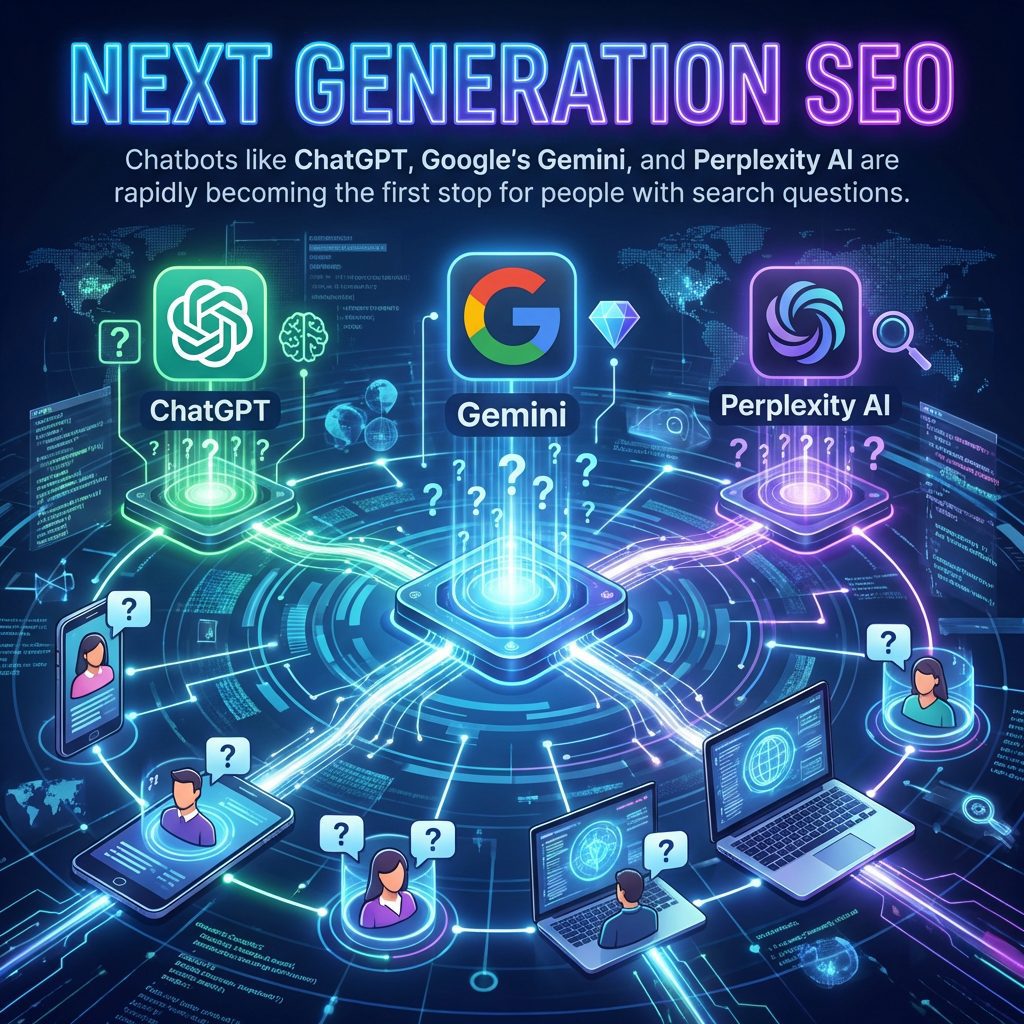
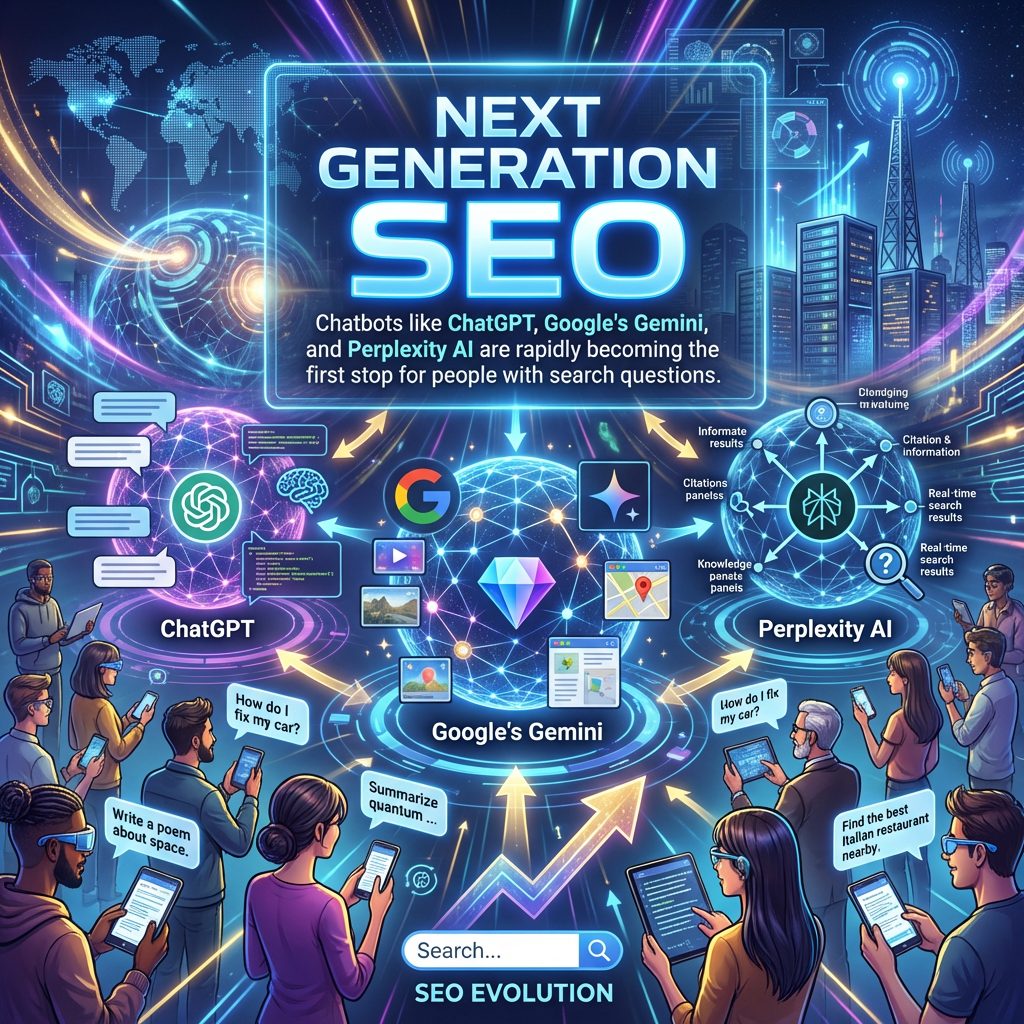
So what’s going on? Artificial intelligence — specifically large language models (LLMs) like ChatGPT, Google’s Gemini, and Perplexity AI — are rapidly becoming the first stop for people with questions. And when those AI tools answer a question, they pull from sources they trust. The businesses that get cited by those AI engines? They win. The ones that don’t? Well, they’re still stuffing that turkey.
Let’s break down what the LLM Citation Optimization Framework actually is, why it matters for your business, and how you can start positioning yourself to get cited, not just ranked.
What Is the LLM Citation Optimization Framework?
Think of traditional SEO like getting your name in the phone book. You want to show up when someone goes looking. The LLM Citation Optimization Framework is more like becoming the expert that everyone calls first — the one quoted at dinner parties, in board meetings, and (now) by AI assistants answering your potential customers’ questions.
In plain English: the LLM Citation Optimization Framework is a strategic approach to creating, structuring, and distributing content so that large language models recognize your business as a credible, citable source. Instead of optimizing for keyword rankings alone, you’re optimizing to be referenced by the AI engines that are increasingly answering questions before a user ever clicks on a single search result.
How LLMs Decide Who to Cite
LLMs aren’t flipping through search results at random. They’re trained on vast pools of content and continually updated with new data. They favor sources that are:
- Authoritative — You’re recognized as a subject-matter expert in your field.
- Consistent — Your information is accurate, up-to-date, and appears across multiple trusted platforms.
- Well-structured — Your content is organized in a way that’s easy for both humans and machines to understand.
- Frequently cited — Other reputable sources link to and reference your content.
Sound familiar? It should. These are the same pillars of traditional SEO — but with a new AI-powered twist. The LLM Citation Optimization Framework formalizes these pillars into an actionable strategy for the AI search era.
Why This Is the Next Generation of SEO
 Here’s a stat that should make you sit up straight: a growing percentage of searches are now zero-click — meaning someone asks a question, the AI answers it right there on the results page, and the user never visits a single website. If you’re not the source being cited by that AI, you’re invisible.
We’re not saying traditional SEO is dead — it’s more like it got promoted. You still need solid technical SEO, great content, and strong backlinks. But layering an LLM Citation Optimization Framework on top of that foundation is what separates businesses that dominate the next generation of search from those that wonder where all their traffic went.
Our friends over at the AI Business Insights blog have been sounding the alarm on this shift for a while now. The businesses that understand how AI is changing the digital landscape are already positioning themselves ahead of the competition.
The Three Pillars of the LLM Citation Optimization Framework
1. Entity-Based Authority Building
LLMs think in terms of entities — people, places, businesses, concepts. Your goal is to become a clearly defined, well-documented entity that AI models associate with expertise in your niche. This means:
- A fully optimized Google Business Profile (learn more about GBP optimization here)
- Consistent business information (NAP: Name, Address, Phone) across every directory and platform
- Author profiles, bios, and credentials publicly documented online
2. Structured, Question-Based Content
LLMs love content that directly answers questions. If your content is written in a conversational, question-and-answer format, you’re giving AI models exactly what they need to cite you. Think FAQ sections, how-to guides, and explainer articles — formatted with clear H2 and H3 headers so AI can parse them easily.
AUTHOR’S NOTE: In this section, The Three Pillars of LLM Citation Optimization Framework is an H2 header. The subheadings, numbered 1,2, and 3 are all H3 headers.
This dovetails perfectly with our approach to content marketing. Great content has always won. Now it just needs to win over machines, too.
3. Off-Site Citation Building
Just like backlinks signal authority to Google, citations from reputable third-party sources signal authority to LLMs. This means getting mentioned in industry publications, news outlets, reputable directories, and local listings. The more high-quality sources reference your business, the more likely an AI is to echo that trust.
Our listing management services are built around exactly this concept — ensuring your business information is consistent, widespread, and authoritative across the web. This will significantly help you build citations and implement a LLM citation optimization framework.
Practical Steps to Implement an LLM Citation Optimization Framework
You don’t need a Ph.D. in machine learning to get started. Here’s a practical roadmap:
Step 1 — Audit your digital footprint. Is your business information consistent everywhere it appears? Inconsistencies confuse both humans and AI.
Step 2 — Create structured, expert-level content. Write articles that answer the specific questions your customers are asking. Use clear headers, concise answers, and authoritative data.
Step 3 — Build your entity authority. Get your business cited in local directories, industry publications, and reputable news outlets. This is the new link building.
Step 4 — Optimize for conversational queries. AI search favors natural language. Write the way your customers actually talk — not the way a robot in 2009 would search.
Step 5 — Monitor AI search results. Regularly check how your business appears in AI-generated answers across ChatGPT, Gemini, and Perplexity. You can’t optimize what you’re not measuring.
If all of this sounds like a lot to manage on top of running your actual business — well, you’re right. That’s why smart business owners partner with experienced digital marketing teams who live and breathe this stuff. Check out our full suite of internet marketing services to see how we can help.
The Relationship Between Traditional SEO and LLM Citation Optimization
Here’s the good news: you don’t have to blow up everything you’ve already built. The LLM Citation Optimization Framework is additive, not destructive. Strong traditional SEO — quality content, authoritative backlinks, technical optimization — provides the foundation. The framework layers on top, specifically targeting how AI models evaluate and reference your brand.
Think of it like this: traditional SEO gets you into the library. The LLM Citation Optimization Framework gets your book recommended by the librarian — every single time someone walks in with a question.
We’ve been writing about how AI is reshaping digital marketing for businesses across the U.S., and the message is consistent: adapt early or play catch-up later.
Ready to Get Cited by AI? Let’s Talk.
No matter where you are in the U.S. — from Miami to Seattle, Boston to Phoenix — we work with clients nationally through convenient video conferencing. No travel, no hassle, no excuses for staying behind the curve.
The next generation of SEO is already here. Let’s build your LLM Citation Optimization strategy together before your competitors figure out what that even means.
👉 Schedule Your Free Discovery Call Today
Further Reading
The following resources provide additional context and depth for readers looking to explore LLM citation optimization, AI search trends, and next-generation SEO strategies:
Anthropic. (2024). Claude model overview and capabilities. Anthropic. https://www.anthropic.com
Google. (2024). How Google Search works: Generative AI in search. Google Search Central. https://developers.google.com/search
Moz. (2024). The beginner’s guide to SEO. Moz, Inc. https://moz.com/beginners-guide-to-seo
Search Engine Journal. (2024). AI and the future of search engine optimization. Search Engine Journal. https://www.searchenginejournal.com
Semrush. (2024). State of search: AI overview and impact on organic traffic. Semrush Blog. https://www.semrush.com/blog
Rick Samara.com. Your AI Workflow for Writing Blog and Article Posts: A Beginner’s Upgrade Kit
e Internet Marketing Services. (2026). Learning AI in 2026: Stop playing with it. Start using it. EIMS. https://einternetmarketingservices.com/learning-ai-in-2026-stop-playing-with-it-start-using-it/
e Internet Marketing Services. (2026). Multimodal content creation: What it is and why it matters. EIMS. https://einternetmarketingservices.com/multimodal-content-creation-what-it-is-and-why-it-matters/